How Does Copper Wire Diameter Affect Drone Motor Performance?
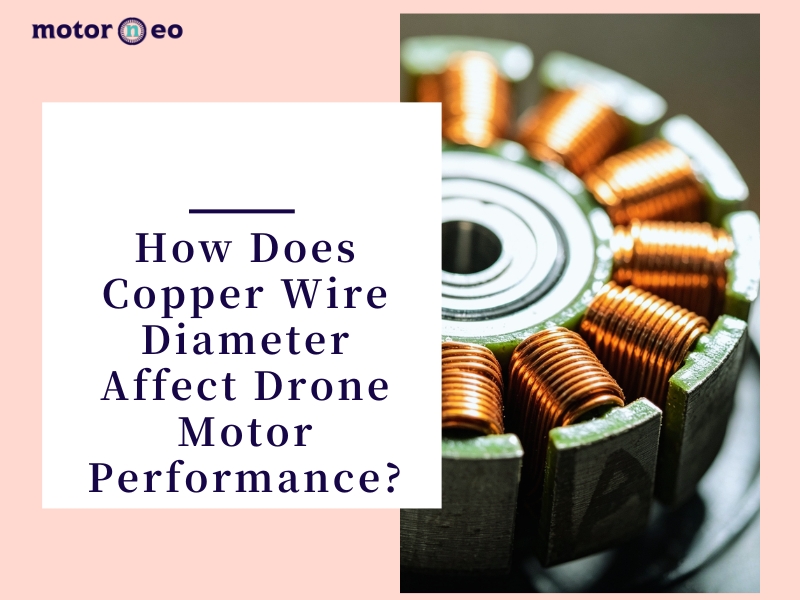
Does thicker copper wire improve drone motor performance? Explore how wire diameter affects copper loss, efficiency, temperature rise, and stator slot fill factor.

 wpx_matt
Does thicker copper wire improve drone motor performance? Explore how wire diameter affects copper loss, efficiency, temperature rise, and stator slot fill factor.

For the same drone motor, changing only the ESC PWM switching frequency can affect motor noise, temperature rise, and even efficiency.Why? PWM changes the current waveform in the motor windings, which affects magnetic field variations in the stator core.For high-speed, multi-pole drone motors, these additional high-frequency variations may cause higher core loss. What Is PWM … Read more
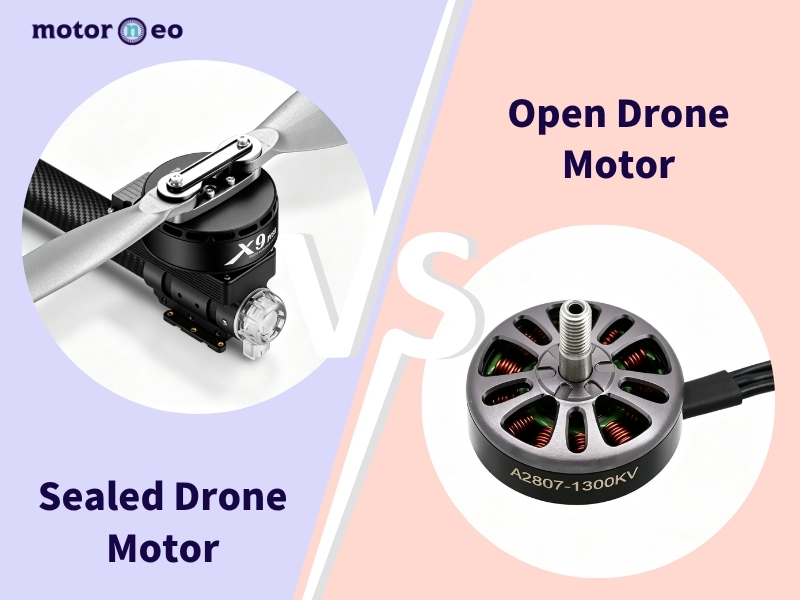
Open vs sealed drone motors differ in cooling, protection, weight, and thermal management. This article compares both designs and explains their impact on UAV applications and stator core design.
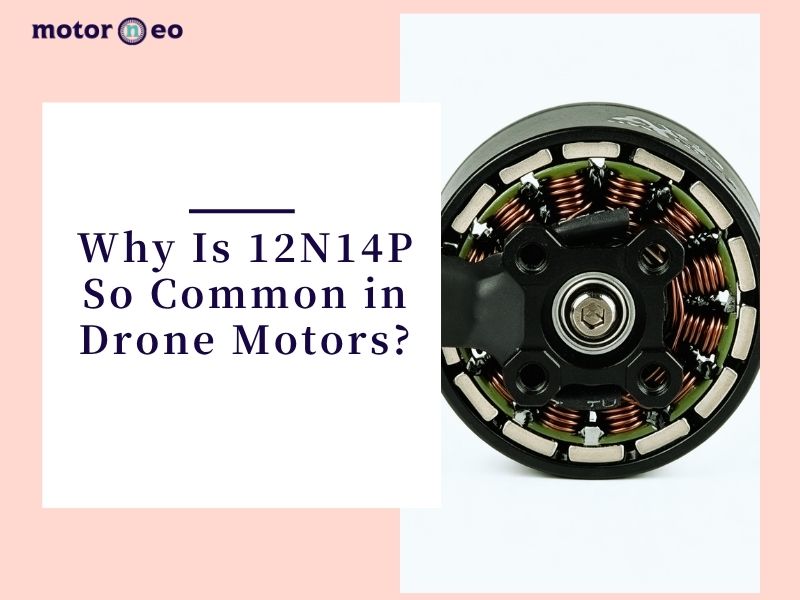
Why is the 12N14P drone motor so common? This guide explains its 12-slot/14-pole structure, concentrated winding, outer-rotor advantages, cogging torque, and electrical-frequency trade-offs.

Explore how Racing, Freestyle, Cinematic, and Long Range FPV drones place different demands on motor design. Learn how KV, torque, efficiency, vibration, stator size, and other factors shape the right motor solution for each application.
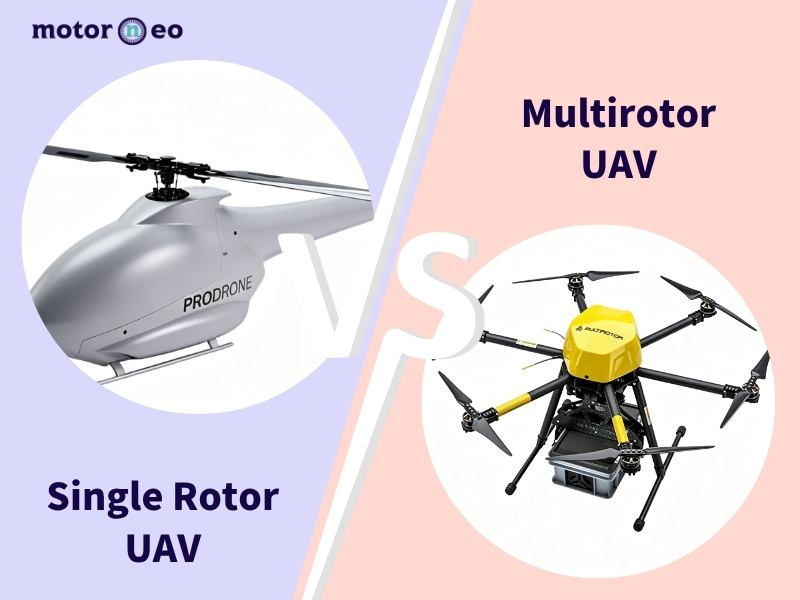
Why do some drones use one large motor, while others use multiple small motor?The answer depends on the mission requirements and the UAV motor solutions behind different designs. Single-rotor drones rely on a high-power motor to drive the main rotor, improving payload capacity and flight endurance. Multirotor drones use multiple independent motors to control propellers, … Read more
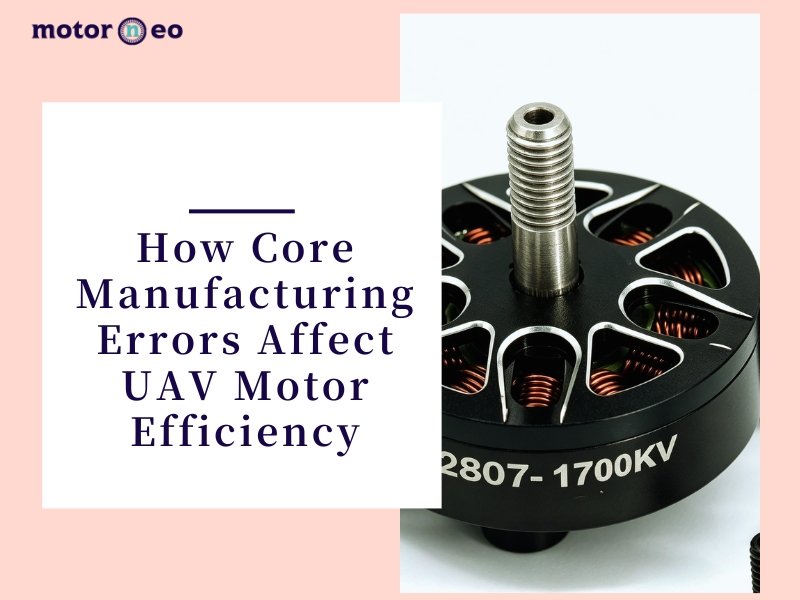
Manufacturing errors can reduce UAV motor efficiency even when the stator uses low-loss electrical steel. This article explains how burrs, punching stress, stack height, air-gap variation, slot dimensions, and stacking methods affect core loss, temperature rise, vibration, and motor consistency.
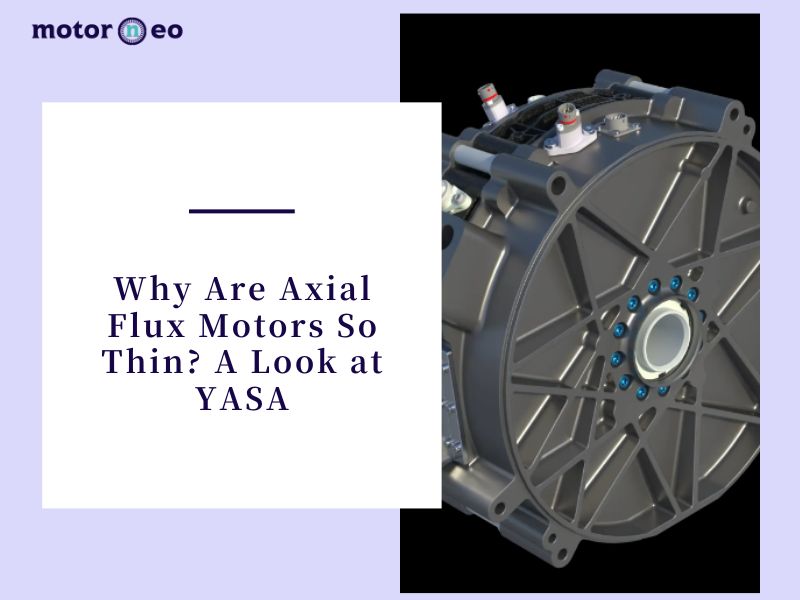
Why are YASA axial flux motors so thin? This guide explains their structure, torque density, segmented stator design, cooling, high-performance vehicle applications, and key mass-production challenges.

Drone motor codes such as 2207, 2807, 3115, and 4214 describe stator size, not motor power. This guide explains how stator dimensions, KV, windings, electrical steel, and manufacturing quality affect motor performance and selection.
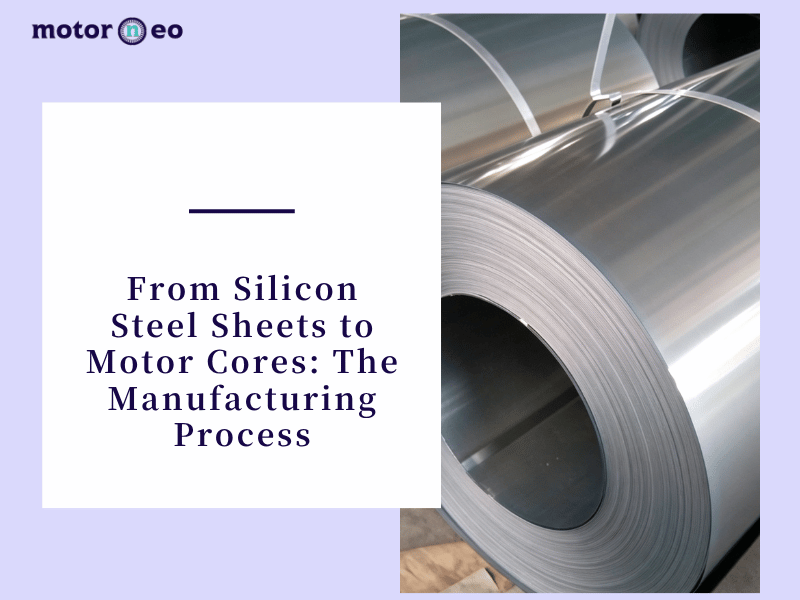
Learn the complete motor core manufacturing process, from silicon steel selection and slitting to stamping, stacking, fixing, and quality control.